
Building Long-Term Success Through Cultural Understanding and Consistent Actions
Introduction
Building lasting trust in Chinese joint ventures is one of the most critical — and least understood — skills for foreign executives in China. Western managers often rely on contracts, milestones, and metrics, while their Chinese counterparts focus on relationships, consistency, and shared intent.
The difference between a cooperative partner and a resistant one often comes down to how well that trust is cultivated day to day. In China, trust isn’t secured through documents; it’s earned through reliability, respect, and long-term commitment.
For background on the common pitfalls foreign executives face when entering China partnerships, see our earlier article Common Mistakes Foreign Companies Make in Chinese Joint Ventures.
In this article, we explore the principles that shape lasting trust in Chinese joint ventures — and how foreign managers can build partnerships that are both resilient and productive.
Trust Starts with Predictability, Not Personality
In many Western cultures, trust grows from openness and personal connection. In China, it begins with dependability. Your partners will trust you when your actions consistently match your words — over time.
Deliver on commitments, communicate early when problems arise, and avoid sudden changes in direction. Chinese managers observe patterns before deciding that trust exists. The more predictable your behavior, the faster the relationship matures — and the stronger the foundation for building lasting trust in your Chinese joint venture.
In a Chinese JV, predictability builds comfort — and comfort builds trust.
Respect the Process of “Guanxi” (关系)
Guanxi is often translated as “relationships,” but it goes deeper — it represents a system of mutual obligation, respect, and reciprocity. For foreign partners, that means taking time to develop real familiarity with your counterparts: their priorities, pressures, and professional networks.
Regular visits, small gestures of goodwill, and showing genuine interest in your partner’s challenges strengthen the relational foundation. Guanxi is not about favoritism; it’s about demonstrating that you’re part of a shared circle of reliability.
As Forbes explains in How a Better Understanding of Guanxi Can Improve Your Business in China, guanxi remains a defining factor in business success. It enables access, trust, and influence — not through transactions, but through long-term relationship credibility.
Mastering guanxi is essential for building lasting trust in Chinese joint ventures, because it bridges cultural gaps and creates the goodwill that formal contracts alone cannot.

Avoid Public Confrontation — Protect “Face” (面子)
Disagreements are inevitable in joint ventures, but how they’re handled determines whether trust grows or erodes. Public criticism, even when well-intentioned, can cause your counterpart to lose “face” — personal and organizational dignity.
Handle conflicts discreetly and privately, focusing on solutions, not blame. When your partner sees you protecting their reputation, even in difficult moments, it deepens their confidence that you can be trusted with more responsibility.
Research from Columbia Business School highlights that reciprocity and face-saving behaviors are central to maintaining trust in Chinese business networks. Respecting these dynamics builds stronger, more sustainable relationships.
In cross-cultural teams, building lasting trust in Chinese joint ventures often depends on how gracefully conflict is managed — with respect, patience, and discretion.
Be Transparent, but with Cultural Awareness
Western managers often equate transparency with directness. In China, transparency is valued — but must be delivered tactfully. Instead of blunt honesty, successful JV leaders use diplomacy, gradual disclosure, and tone-sensitive dialogue.
Being transparent with empathy shows maturity and respect for hierarchy. It also helps prevent misunderstanding, which can otherwise be seen as hidden agendas or poor communication.
The goal is clarity without confrontation — one of the cornerstones of building lasting trust in a Chinese joint venture.
Invest in Relationships Beyond the Meeting Room
Trust in China extends outside of formal business. Shared meals, factory visits, and small gestures like remembering holidays or sending congratulations on company milestones reinforce the human side of partnership.
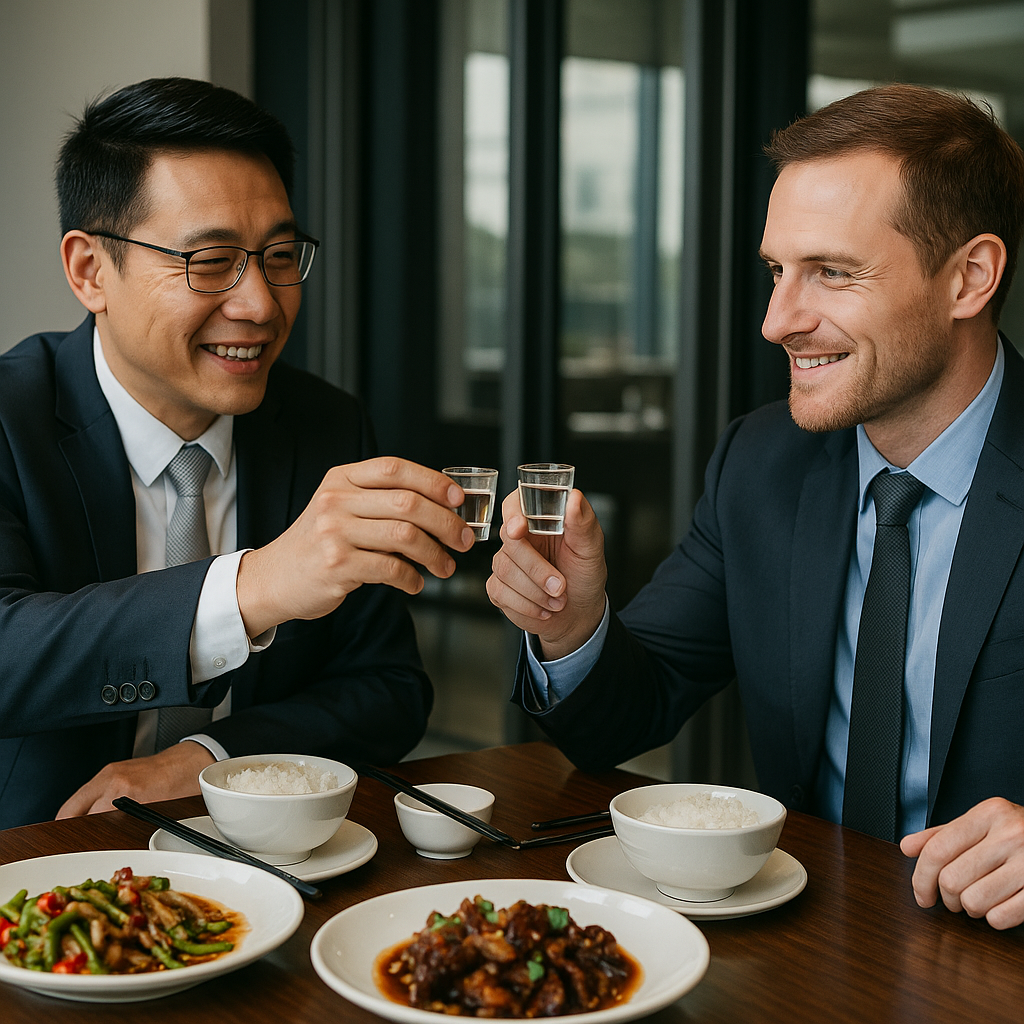
Don’t underestimate the value of informal interactions — they often unlock cooperation more effectively than another round of technical discussions. They show genuine engagement — a key element of building lasting trust in Chinese joint ventures.
As McKinsey & Company observed in its study Past Lessons for China’s New Joint Ventures, successful partnerships in China are built on trust-based relationships across every level — from the boardroom to the shop floor.
In China, personal trust and professional success are inseparable.
For readers seeking more insights, our Resources Page offers additional reference materials, research links, and recommended readings on cross-cultural business and joint venture governance.
Conclusion
Building lasting trust in a Chinese joint venture is not established through contracts alone — it’s demonstrated through behavior, communication, and respect for cultural norms.
Strong trust matters most when governance is tested, not when everything is running smoothly — especially in China joint ventures operating under real strategic pressure.
When Western and Chinese partners align on consistency, guanxi, and mutual respect, the results are partnerships that not only survive but thrive through challenges.
Trust takes time — but once earned, it becomes the most valuable and lasting asset in your China venture.
Frequently Asked Questions
Below are the most common questions global executives ask about building trust with Chinese joint-venture partners, along with concise, actionable answers.
❓ Why is building trust essential in a Chinese joint venture?
Trust is the foundation of long-term cooperation in China. It reduces friction, speeds up decisions, and allows both partners to share information openly. Without trust, JV agreements become rigid, slow, and prone to conflict.
❓ How do Chinese partners typically evaluate trust?
Chinese partners watch for consistency between words and actions over time. Reliability, follow-through, humility, and respect for hierarchy are often more important than aggressive competency signaling or Western-style assertiveness.
❓ What are the fastest ways foreign leaders damage trust in China?
Common missteps include giving overly direct criticism, pushing for rapid change before alignment, ignoring informal decision processes, and demonstrating impatience. These behaviors signal unpredictability and can erode trust quickly.
❓ How can foreign executives strengthen trust with their Chinese JV partner?
Trust grows through visible commitment: meeting face-to-face, showing respect, sharing small wins early, honoring verbal agreements, and giving space for private discussions before making public decisions.
❓ Does building trust in China require social relationships outside work?
Not always—but shared meals, informal conversations, and occasional personal gestures accelerate trust formation. These interactions help Chinese partners judge character, reliability, and long-term intent.
❓ How long does it take to build deep trust in a China joint venture?
Surface-level trust can form quickly, but deep, resilient trust usually takes months or years of consistent behavior. Chinese partners rely heavily on observed patterns—not promises—to determine reliability.
Enjoying this?
Get weekly, real-world insights on China joint ventures and China manufacturing.